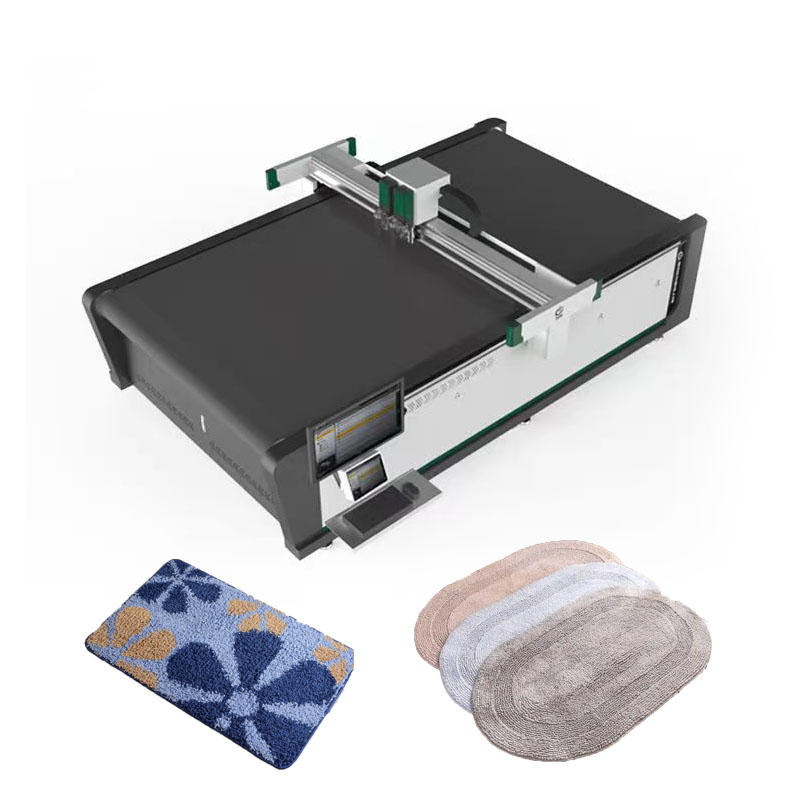
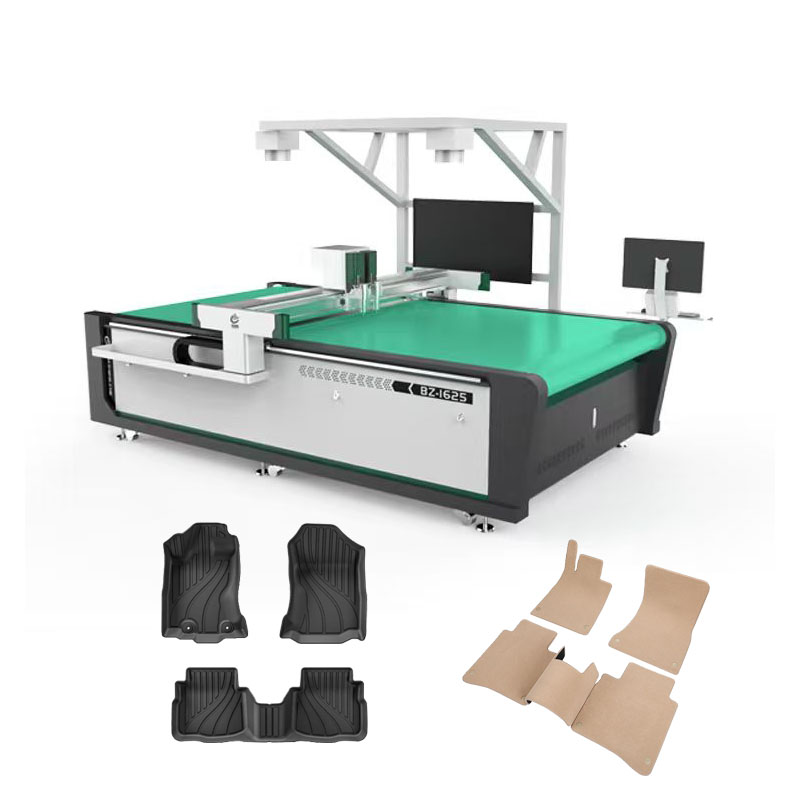
cnc leather shoes cutting machine
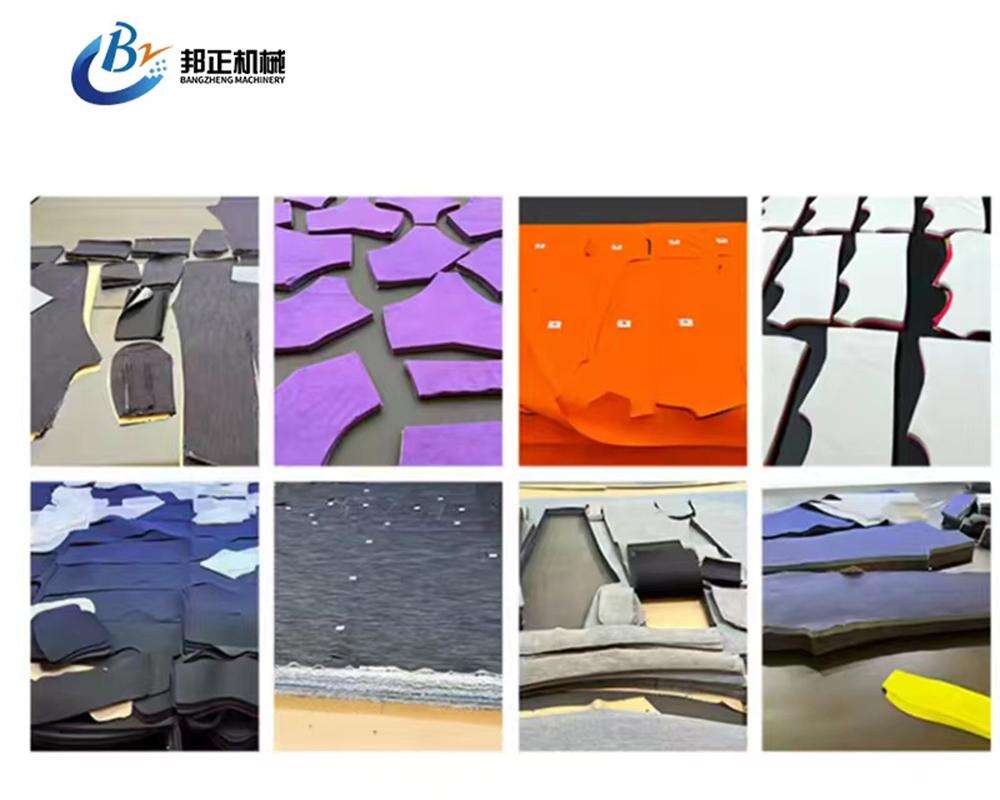
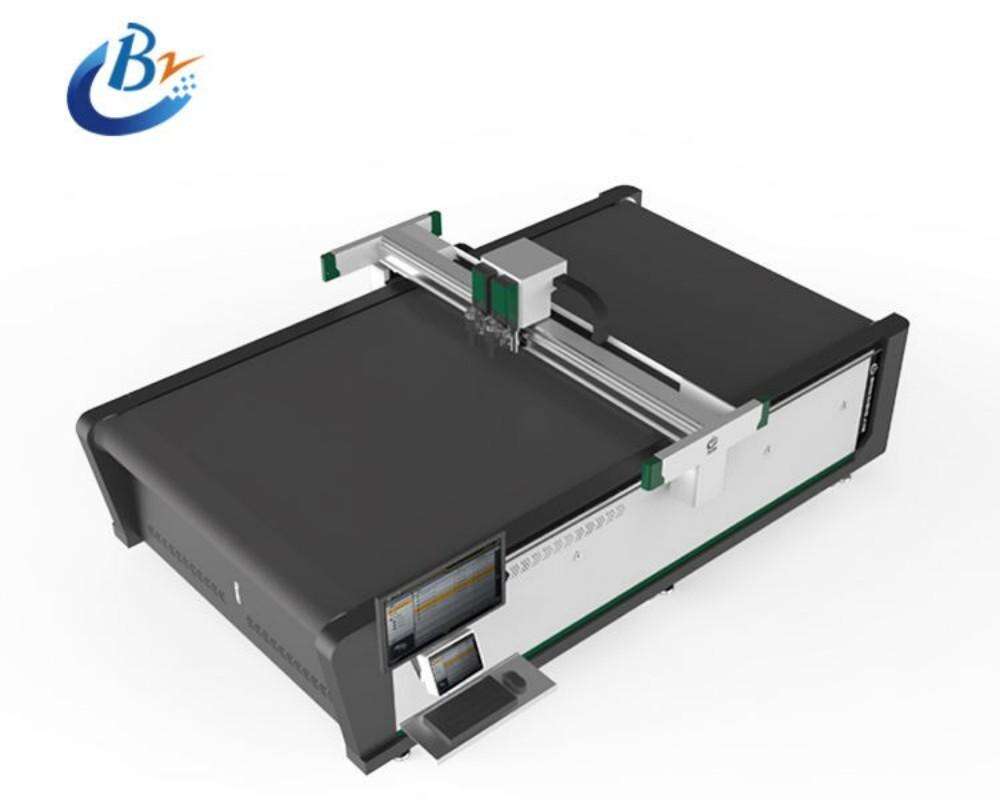
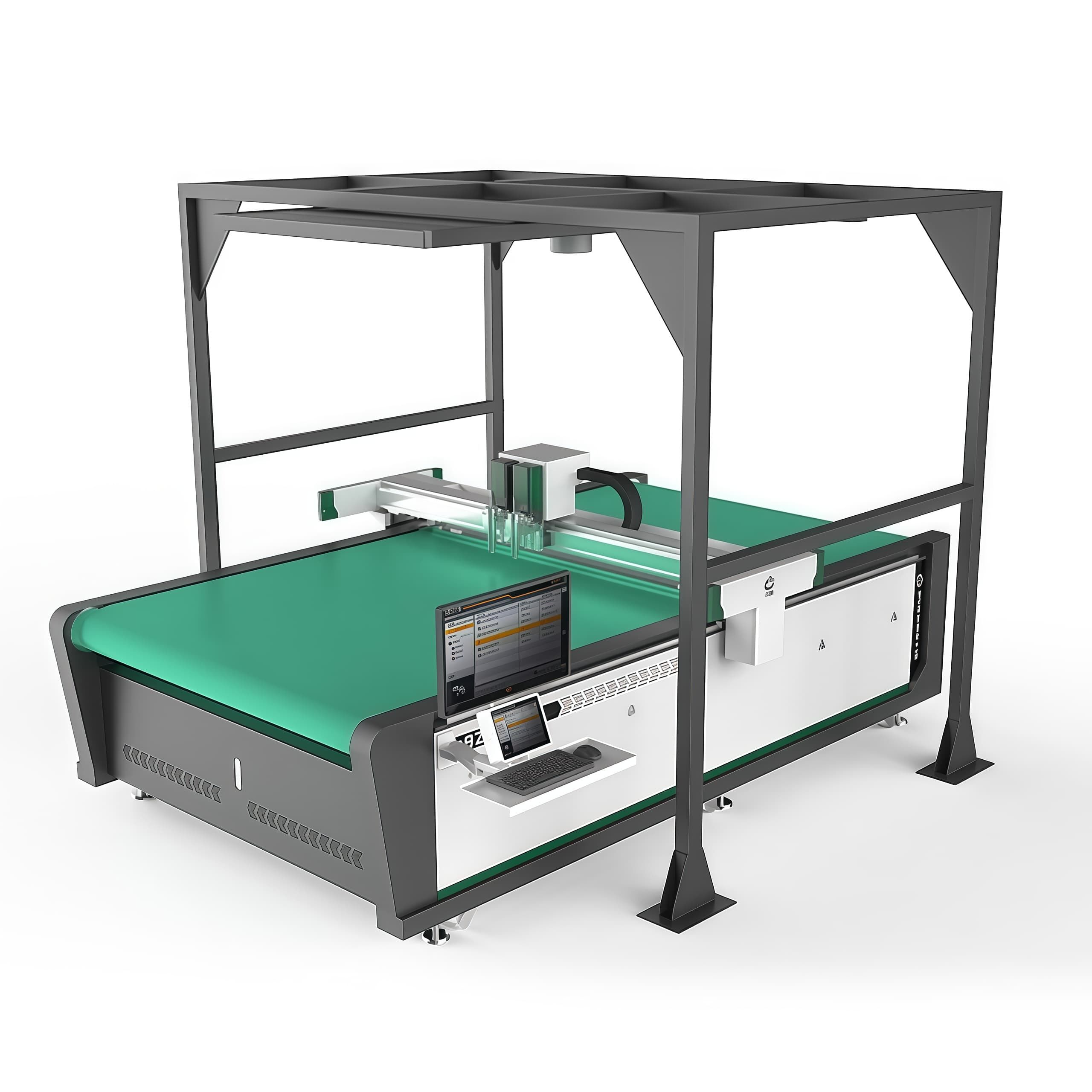
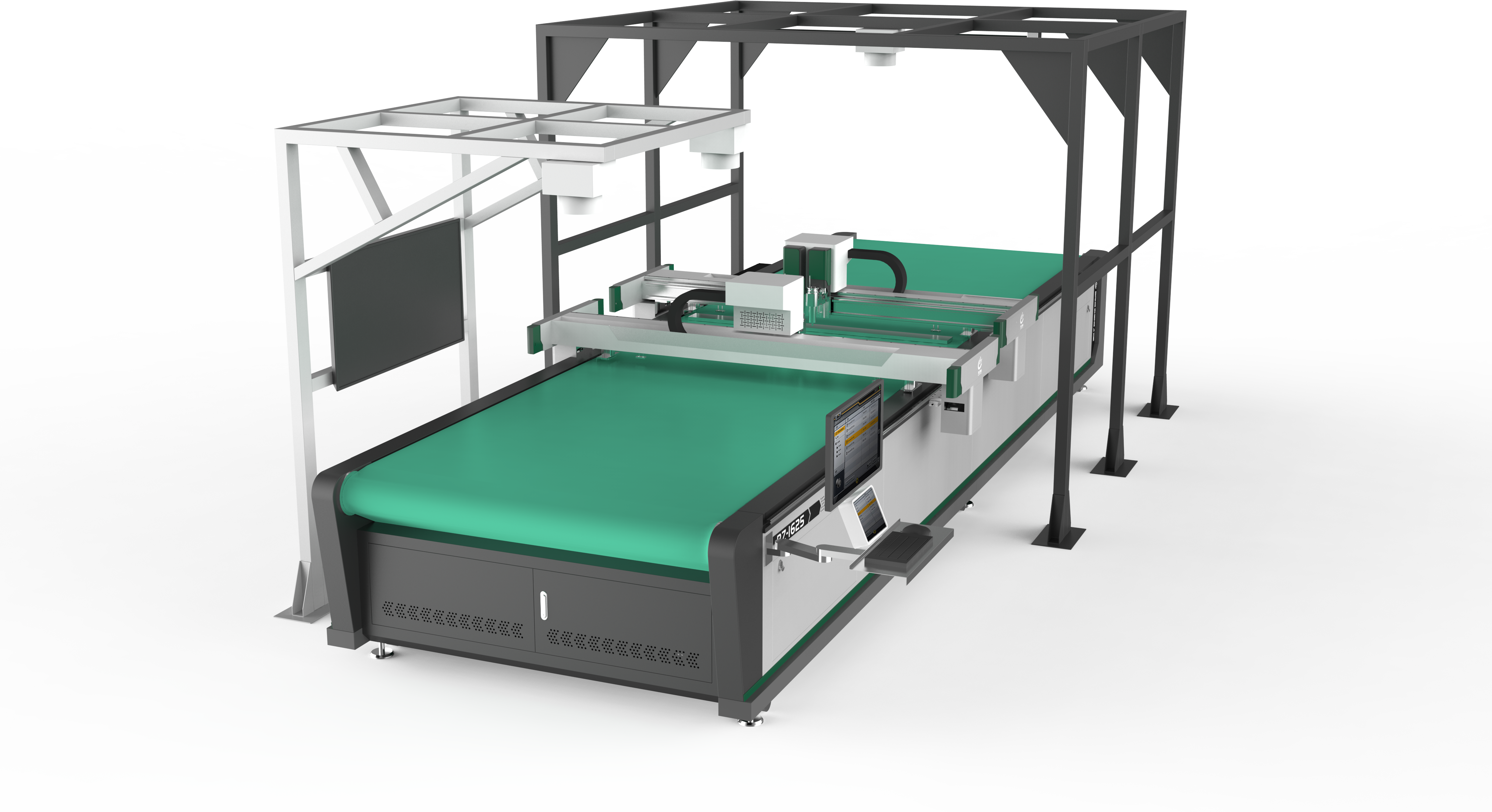
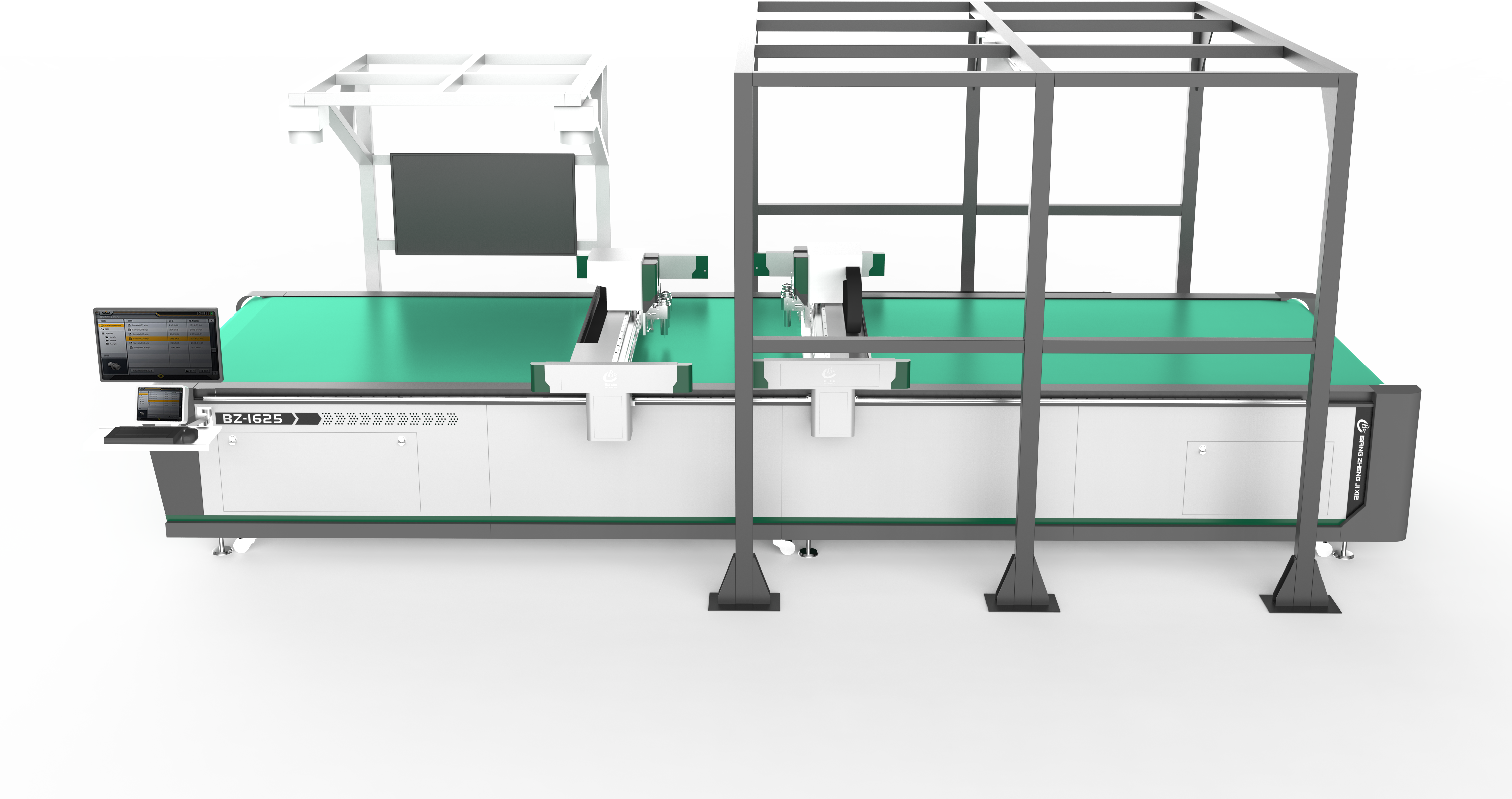
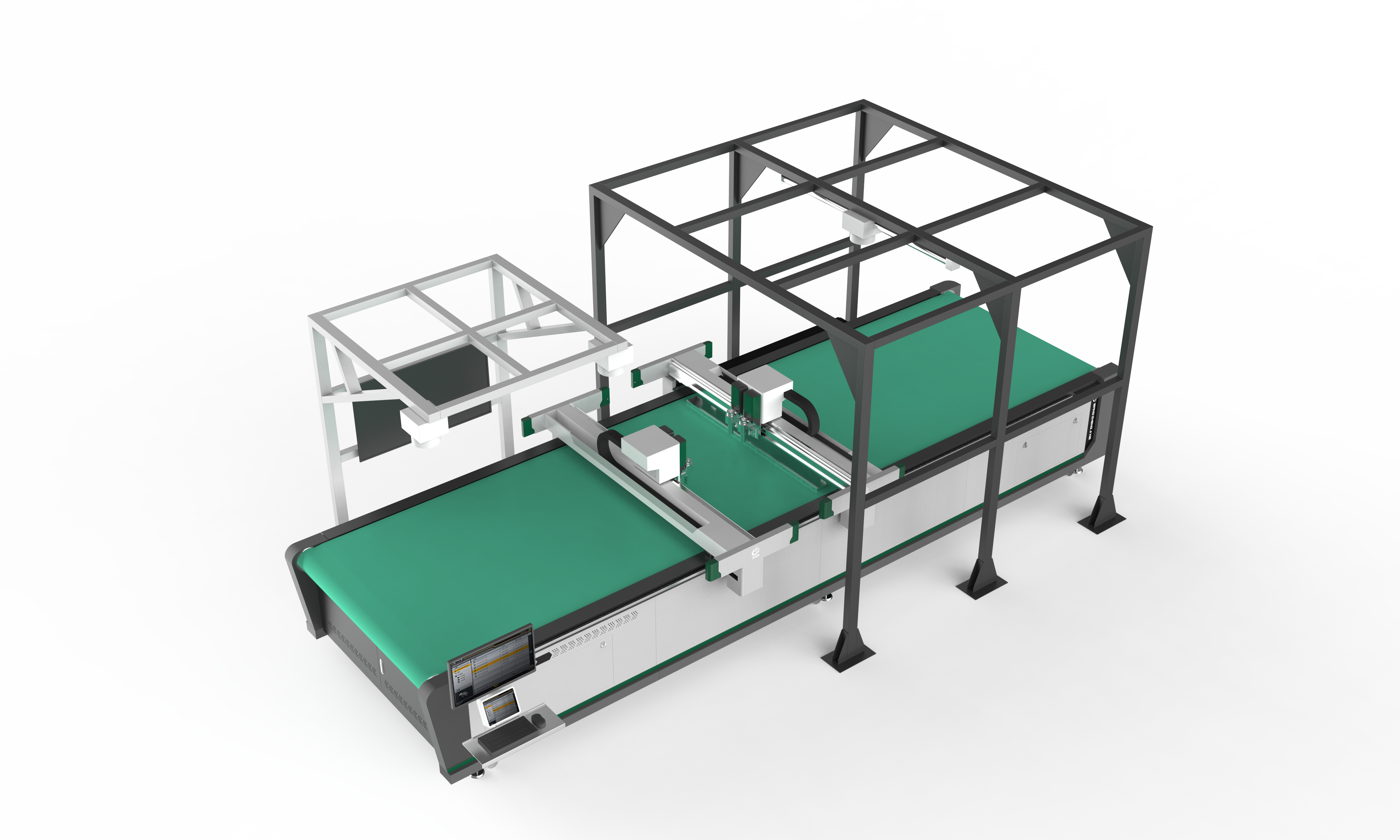
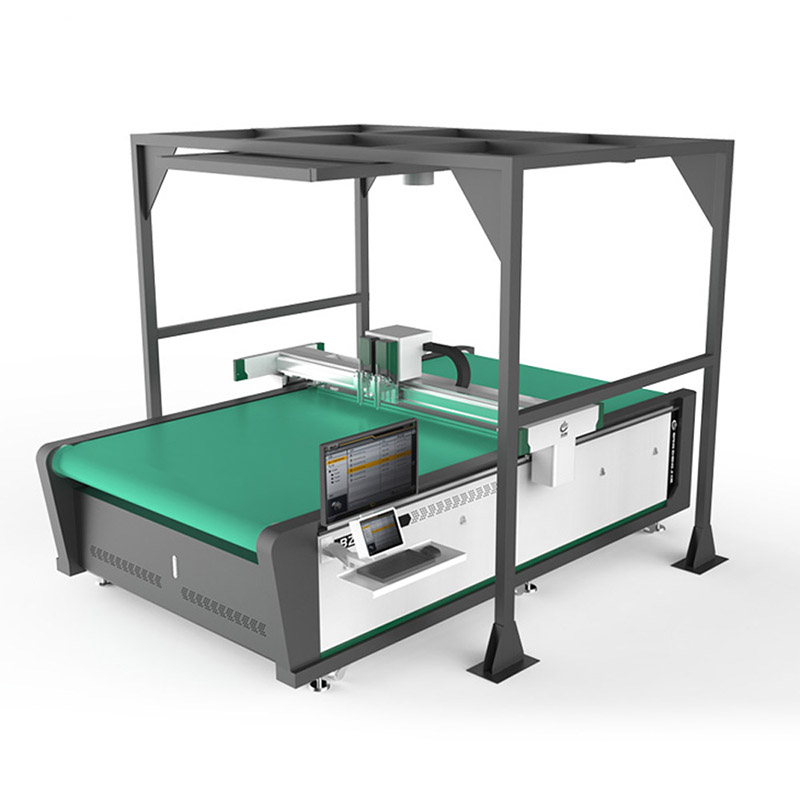
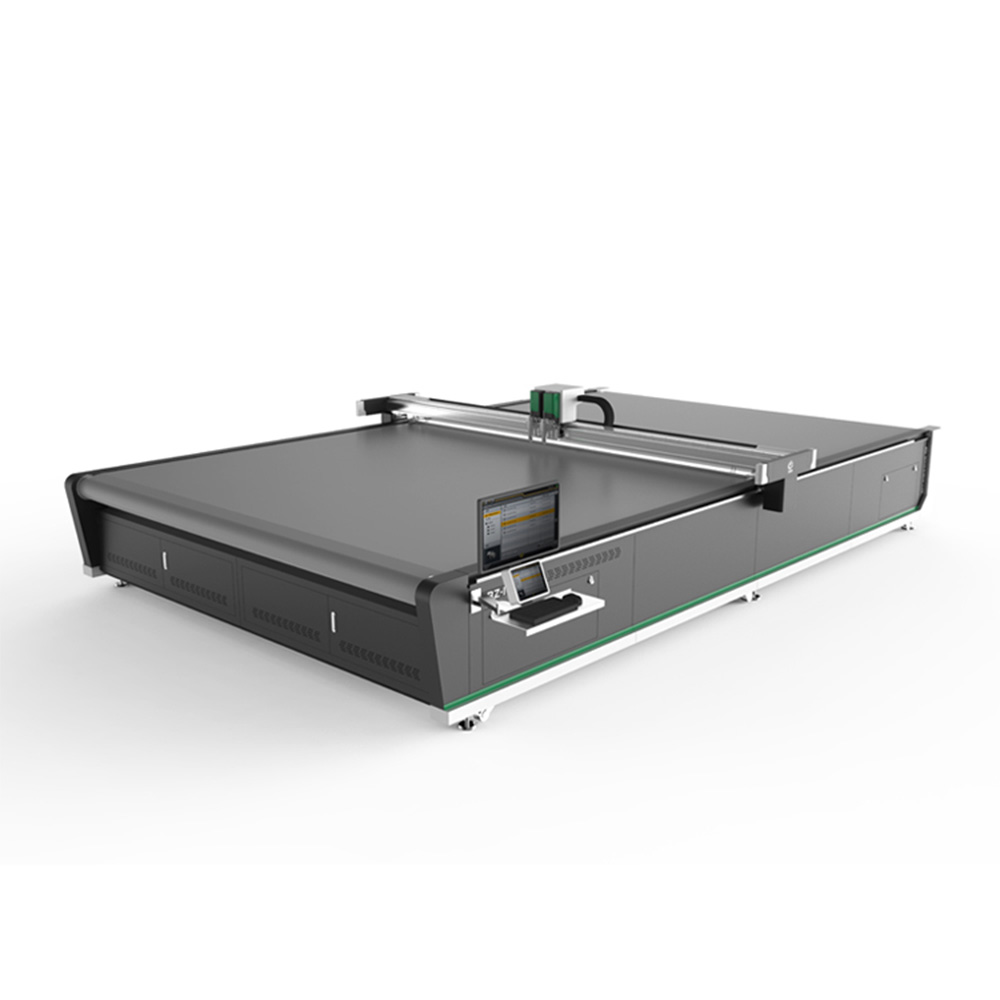
The cnc leather shoes cutting machine represents a revolutionary advancement in footwear manufacturing technology, transforming traditional leather processing methods through precise computer-controlled automation. This sophisticated equipment integrates cutting-edge CNC technology with specialized leather handling capabilities, delivering unparalleled accuracy and efficiency in shoe production processes. The cnc leather shoes cutting machine operates through advanced servo motors and precision cutting tools that follow digitally programmed patterns, ensuring consistent results across large production runs. Modern units feature high-resolution cameras and laser guidance systems that automatically detect leather grain patterns and optimize material usage by positioning cut patterns strategically. The machine's robust construction includes heavy-duty steel frames, precision linear guides, and industrial-grade spindles designed specifically for leather's unique properties. Temperature control systems maintain optimal cutting conditions while vacuum tables secure leather pieces during processing. The cnc leather shoes cutting machine supports various leather types including full grain, top grain, corrected grain, and exotic leathers with thicknesses ranging from thin linings to thick sole materials. Advanced software integration allows operators to import designs directly from CAD programs, automatically generating efficient cutting paths that minimize waste. The machine's multi-tool capability enables sequential operations including cutting, perforating, creasing, and marking without repositioning materials. Real-time monitoring systems track production metrics, material usage, and tool wear while quality control sensors verify dimensional accuracy throughout the cutting process. Modern cnc leather shoes cutting machines incorporate IoT connectivity for remote monitoring and predictive maintenance scheduling. The equipment's modular design allows customization for specific production requirements, from small-batch artisan workshops to high-volume manufacturing facilities. Safety features include emergency stops, protective barriers, and automatic shut-off systems that protect operators while maintaining production continuity.

 EN
EN