automatic fabric cutting machine for garments
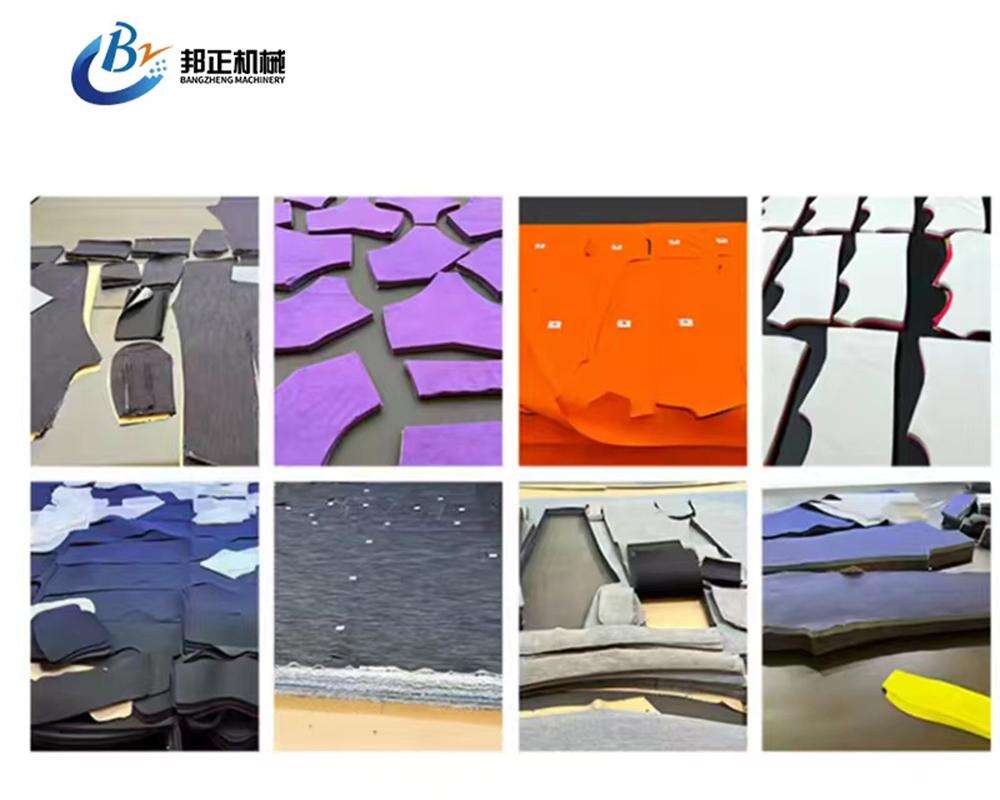
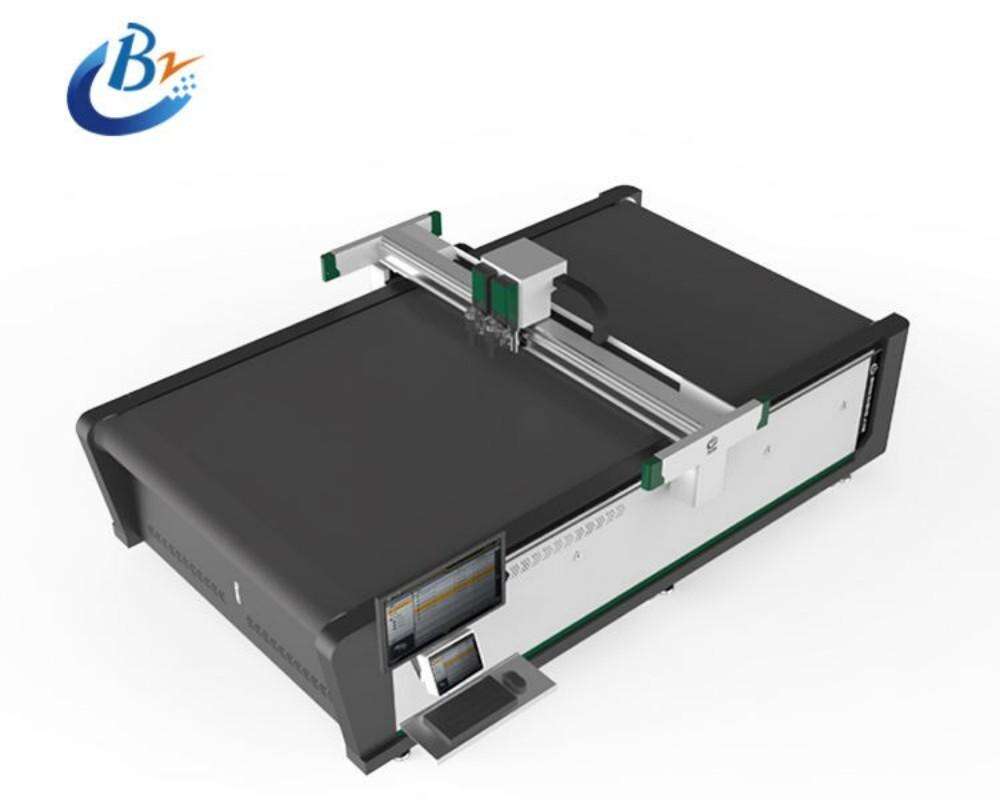
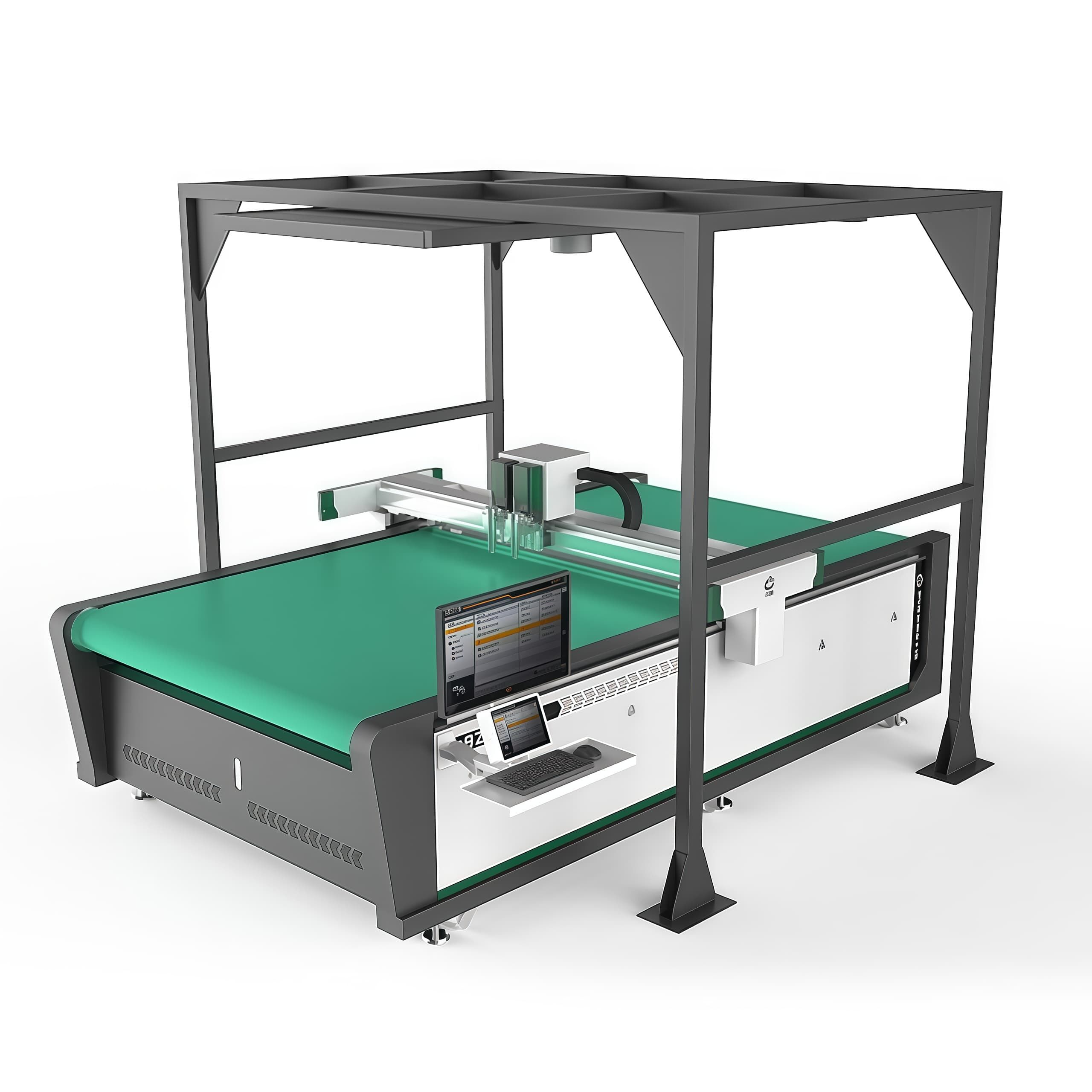
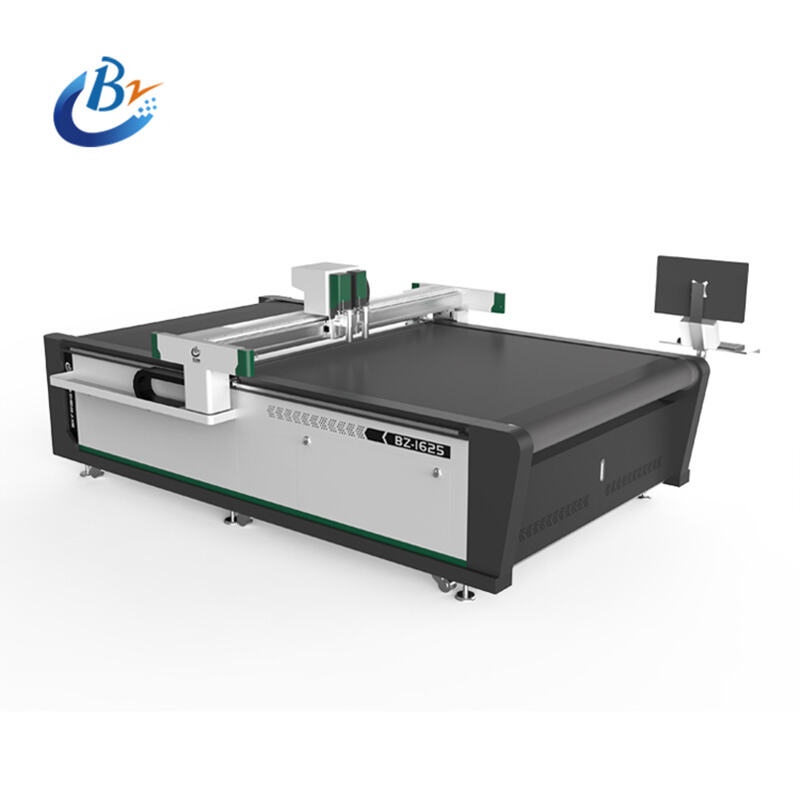
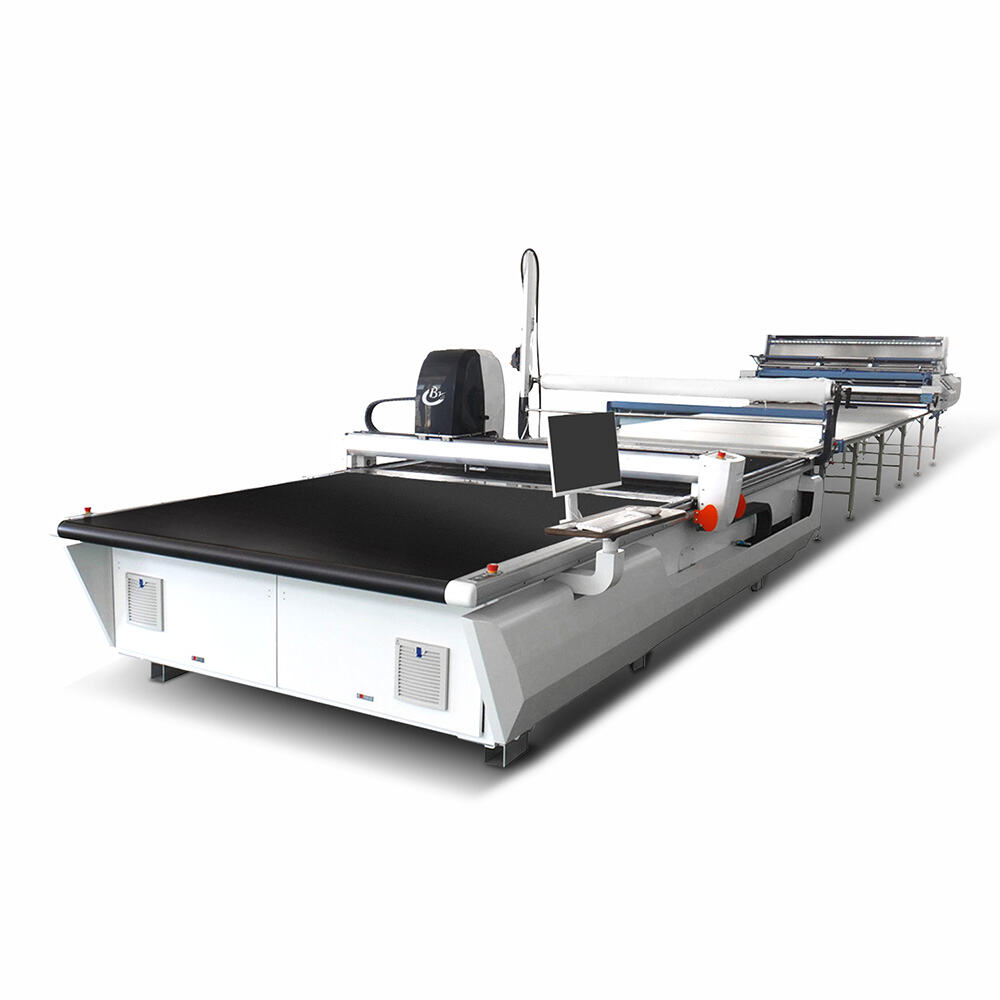
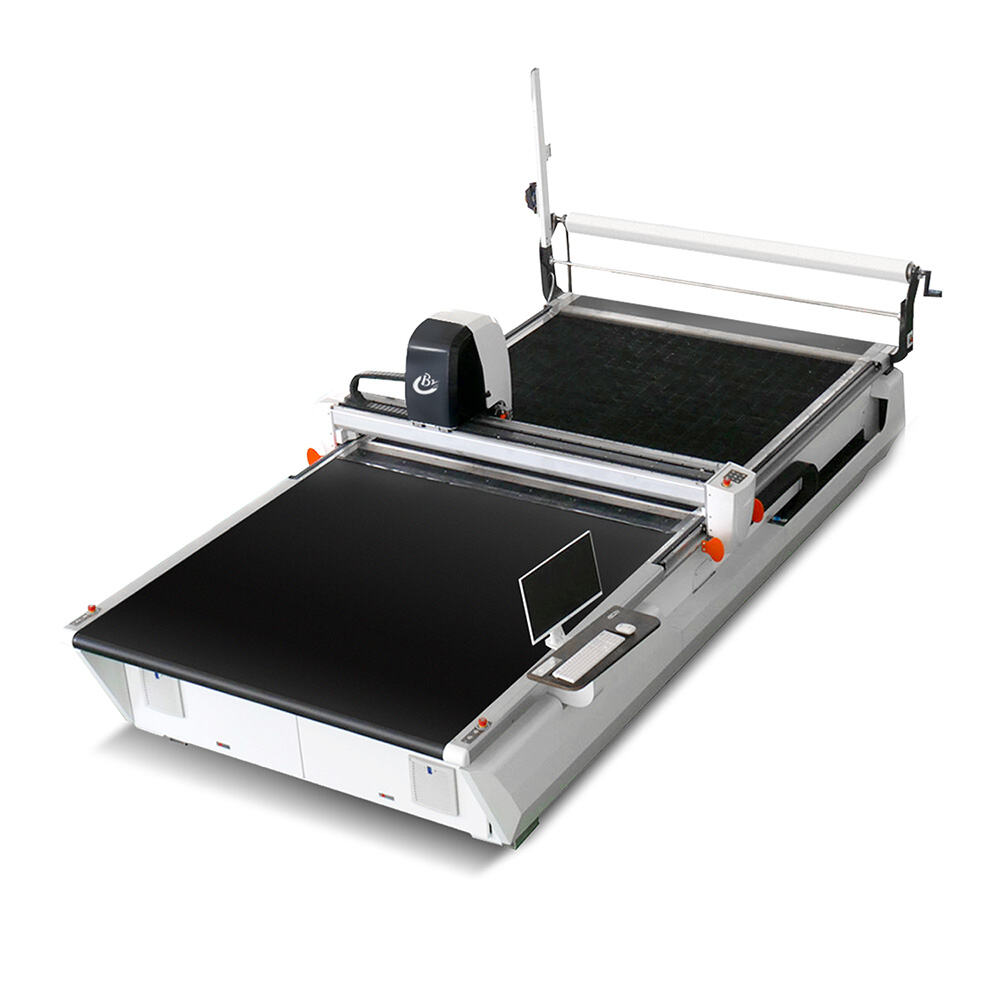
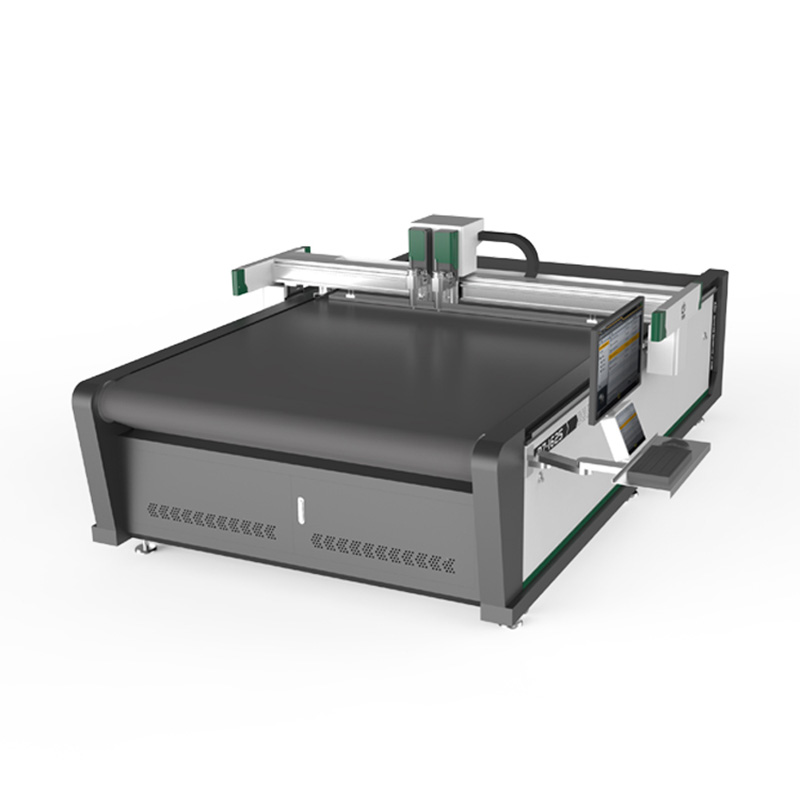
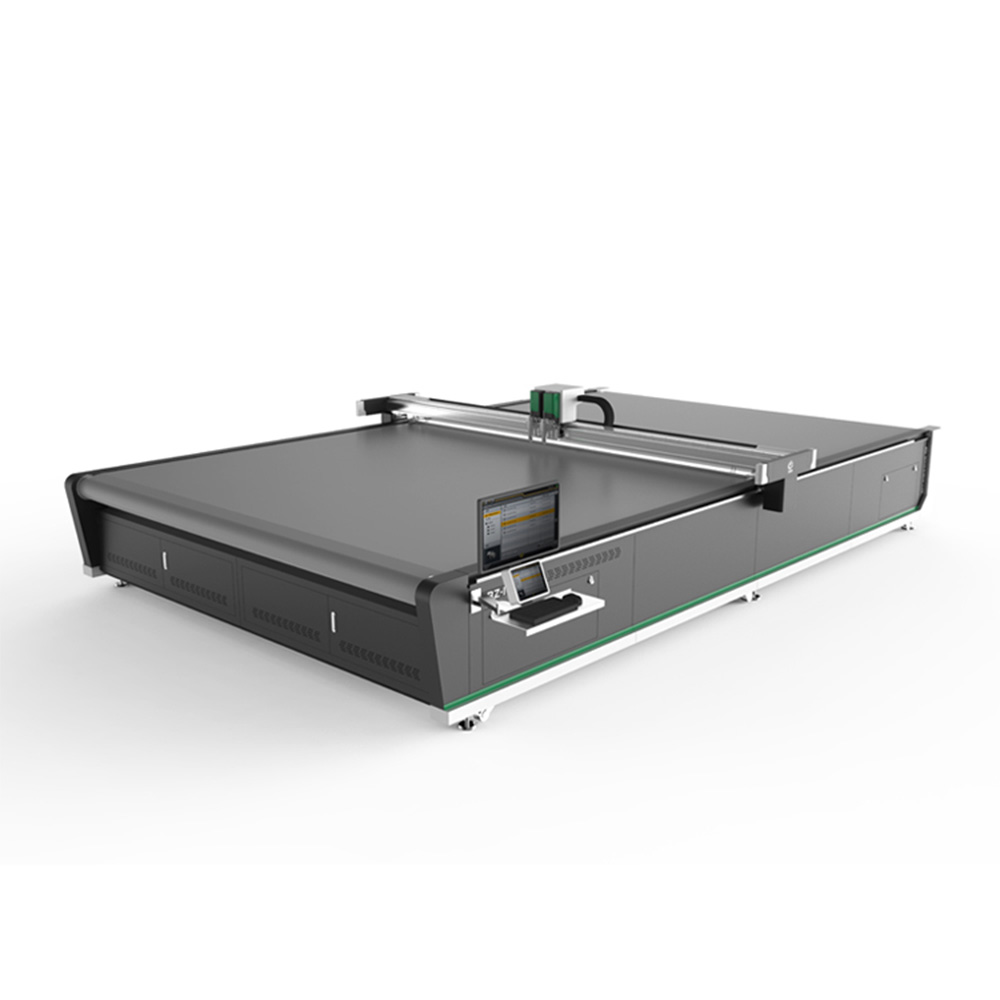
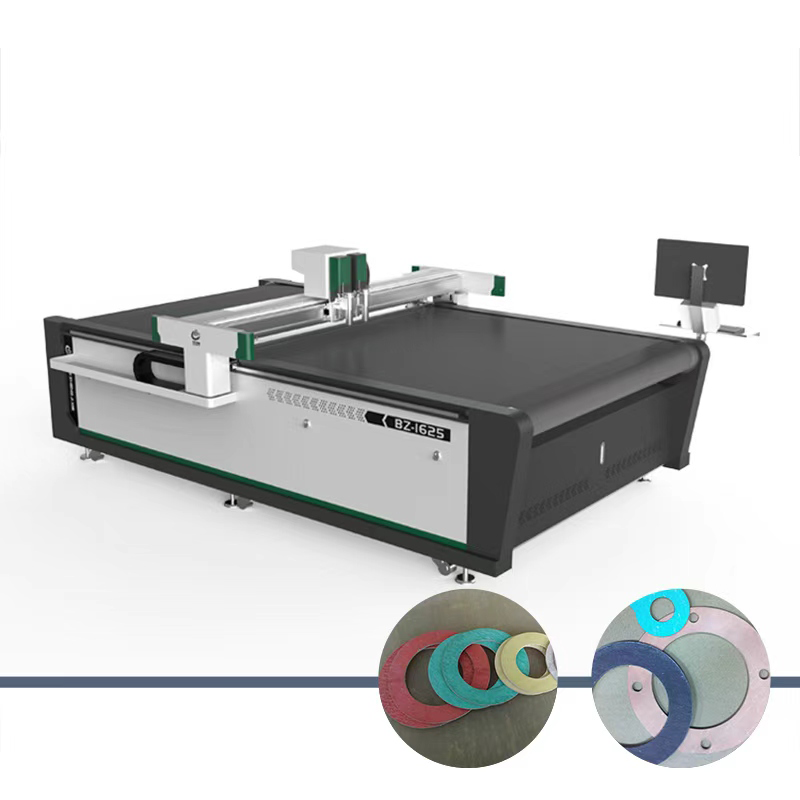
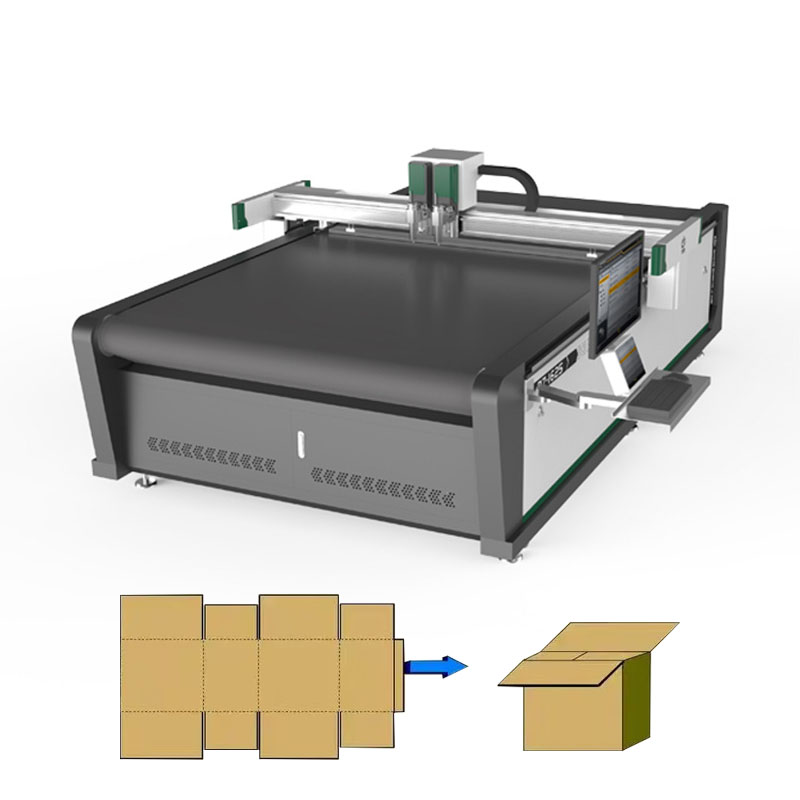
The automatic fabric cutting machine for garments represents a revolutionary advancement in textile manufacturing technology, designed to streamline and optimize the fabric cutting process for clothing production. This sophisticated equipment integrates cutting-edge computer numerical control (CNC) technology with precision cutting mechanisms to deliver consistent, accurate results across various fabric types and garment designs. The automatic fabric cutting machine for garments operates through a computerized system that reads digital patterns and translates them into precise cutting instructions, eliminating human error and ensuring uniformity in production. The machine features advanced servo motors that control the cutting head movement with exceptional precision, allowing for intricate pattern cutting that would be challenging to achieve manually. Modern automatic fabric cutting machines for garments incorporate multi-layer cutting capabilities, enabling manufacturers to cut multiple fabric layers simultaneously, significantly increasing production efficiency. The system utilizes specialized cutting tools including oscillating knives, rotary blades, and laser cutting heads, depending on the fabric type and cutting requirements. These machines are equipped with vacuum systems that hold fabrics securely in place during the cutting process, preventing shifting and ensuring clean, accurate cuts. The automatic fabric cutting machine for garments supports various file formats including DXF, HPGL, and proprietary CAD formats, making it compatible with most fashion design software. Advanced models feature automatic tool changing systems that can switch between different cutting tools based on the material being processed. The machine's control software provides real-time monitoring of cutting parameters, material usage, and production progress, enabling operators to optimize efficiency and minimize waste. Safety features include emergency stop systems, protective barriers, and sensor-based collision detection to ensure operator safety during operation.

 EN
EN