
 EN
EN



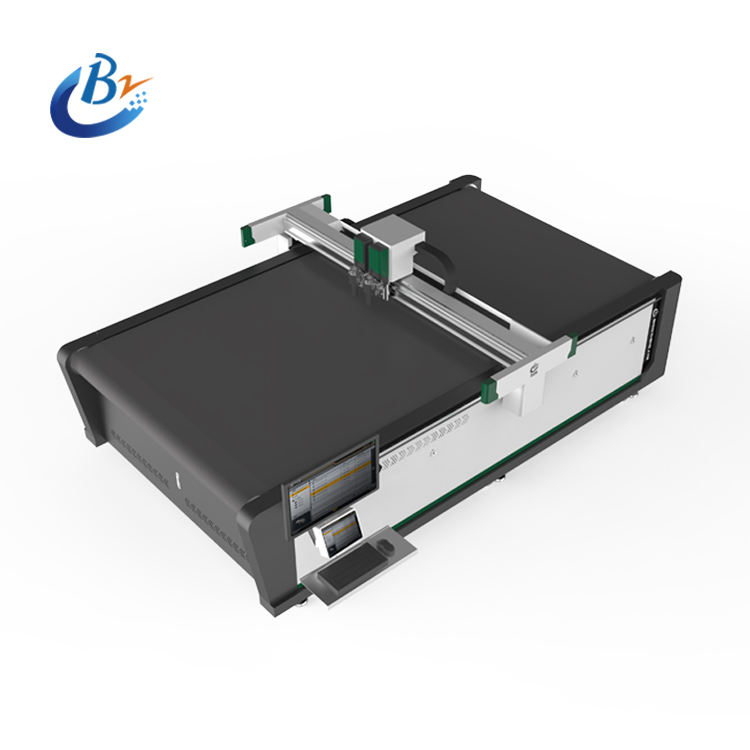
When production demands require cutting multiple layers of fabric simultaneously, the choice of equipment becomes critical. An automatic fabric cutter with vacuum system stands out as the preferred solution for manufacturers who prioritize accuracy, speed, and material efficiency. Understanding what makes this machine configuration uniquely suited to multi-layer cutting helps buyers make smarter, more confident procurement decisions.
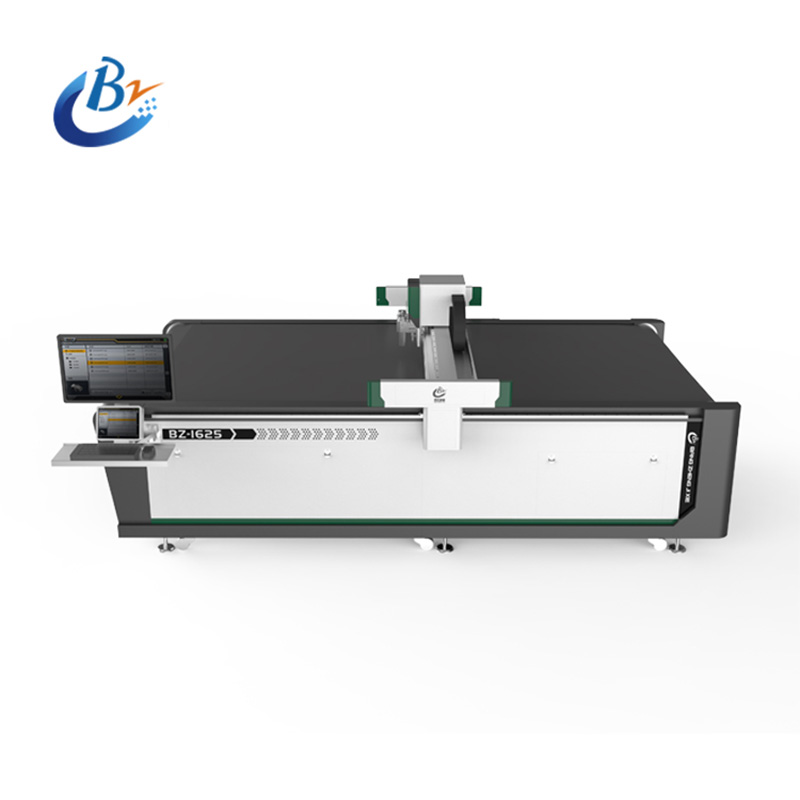
The automatic fabric cutter with vacuum system combines CNC-driven cutting precision with an integrated vacuum hold-down mechanism. This combination directly addresses the two biggest challenges in multi-layer cutting: fabric movement and layer misalignment. Every time a facility deploys an automatic fabric cutter with vacuum system, it gains a measurable advantage in cut consistency, material yield, and throughput across demanding production runs.
The Role of the Vacuum System in Multi-Layer Stability
How the Vacuum Hold-Down Mechanism Works
The vacuum system in an automatic fabric cutter with vacuum system draws air downward through the cutting table surface, compressing all fabric layers firmly against the table. This compression eliminates the air gaps between layers that typically cause shifting during cutting. When an automatic fabric cutter with vacuum system activates its vacuum before the blade descends, every layer is locked in position with uniform pressure across the entire cutting zone.
Without this stabilization, even a slight movement between layers can translate into cumulative cutting errors that ruin entire stacks of fabric. The automatic fabric cutter with vacuum system prevents this by maintaining consistent downward force throughout the cut cycle. Operators working with an automatic fabric cutter with vacuum system consistently report tighter layer-to-layer alignment compared to machines that rely on manual clamping or weight-based hold-down methods.
Vacuum Pressure and Fabric Type Compatibility
A well-designed automatic fabric cutter with vacuum system allows operators to adjust vacuum pressure levels based on the fabric type being processed. Lightweight woven fabrics, dense denim, knitted materials, and composite textiles each respond differently to vacuum compression. An automatic fabric cutter with vacuum system with adjustable pressure settings ensures that delicate fabrics are not distorted while heavy multi-layer stacks are held firmly enough to cut cleanly.
This adaptability makes the automatic fabric cutter with vacuum system suitable across a wide range of apparel, upholstery, and technical textile applications. The ability to fine-tune vacuum intensity within a single automatic fabric cutter with vacuum system platform reduces the need for separate equipment setups when switching between fabric types or product lines.
Precision Cutting Performance Across Multiple Layers
CNC Control and Path Accuracy
The automatic fabric cutter with vacuum system relies on CNC software to drive the cutting head along precisely calculated paths. This level of programmatic control allows an automatic fabric cutter with vacuum system to cut complex patterns across many layers simultaneously without deviating from the design specifications. The CNC system in an automatic fabric cutter with vacuum system continuously monitors cutting head position, speed, and blade orientation to maintain accuracy throughout each pass.
Pattern nesting software integrated into an automatic fabric cutter with vacuum system further enhances performance by calculating the most material-efficient layout before cutting begins. When an automatic fabric cutter with vacuum system executes a nested cutting plan, fabric waste drops significantly compared to manual or semi-automatic alternatives. Production facilities that adopt an automatic fabric cutter with vacuum system for multi-layer operations typically see improved material utilization rates within the first weeks of deployment.
Blade Technology and Layer Penetration
The cutting blade in an automatic fabric cutter with vacuum system is engineered to penetrate cleanly through multiple fabric layers in a single pass. Reciprocating or oscillating blade systems used in an automatic fabric cutter with vacuum system generate the cutting force needed for thick stacks without dragging or distorting the lower layers. An automatic fabric cutter with vacuum system with the correct blade configuration minimizes fraying and edge distortion, which is especially important for tightly toleranced garment components.
Blade speed, stroke frequency, and cutting depth are all programmable parameters within an automatic fabric cutter with vacuum system. This programmability means that a single automatic fabric cutter with vacuum system can handle varying stack heights and fabric densities by adjusting blade settings for each job, making it a highly flexible production asset.
Operational Efficiency and Production Benefits
Throughput and Labor Efficiency
An automatic fabric cutter with vacuum system dramatically reduces the manual labor required for fabric cutting operations. Traditional cutting methods require operators to manually reposition, clamp, and check alignment between layers constantly. The automatic fabric cutter with vacuum system handles these tasks through its vacuum hold-down and CNC automation, freeing operators to manage loading, unloading, and quality inspection instead.
The throughput of an automatic fabric cutter with vacuum system is substantially higher than manual or semi-automatic cutting methods when processing multi-layer stacks. Because the automatic fabric cutter with vacuum system can execute continuous cutting programs without manual intervention, production lines maintain higher average cutting speeds across shifts. For high-volume textile manufacturers, an automatic fabric cutter with vacuum system represents a direct investment in cycle time reduction and output consistency.
Quality Consistency Across Production Runs
One of the strongest arguments for adopting an automatic fabric cutter with vacuum system is the consistency it delivers across long production runs. Manual cutting introduces variability tied to operator fatigue and skill differences. An automatic fabric cutter with vacuum system eliminates these variables by executing identical cutting programs repeatedly with the same precision. Every cut produced by an automatic fabric cutter with vacuum system reflects the programmed design, not the condition of the operator at that moment.
Quality control teams working alongside an automatic fabric cutter with vacuum system report fewer reject pieces, reduced rework rates, and more predictable pattern matching across finished products. The automatic fabric cutter with vacuum system delivers these quality gains not just on the first production run but consistently across every job that follows.
FAQ
What types of fabrics work best with an automatic fabric cutter with vacuum system?
An automatic fabric cutter with vacuum system is compatible with a wide range of fabrics including woven, knitted, denim, canvas, and technical textiles. The vacuum pressure is adjustable in most models, allowing the automatic fabric cutter with vacuum system to handle both lightweight and heavy-duty materials without distortion or misalignment.
How many layers can an automatic fabric cutter with vacuum system handle simultaneously?
The layer capacity of an automatic fabric cutter with vacuum system depends on the model and blade configuration, but many industrial systems handle between 50 and 120 layers per cut. The vacuum system in an automatic fabric cutter with vacuum system maintains stack compression throughout the cut regardless of layer count, ensuring consistent edge quality from top to bottom.
Is an automatic fabric cutter with vacuum system difficult to operate and maintain?
Modern automatic fabric cutter with vacuum system platforms are designed with operator-friendly CNC interfaces that simplify job setup, pattern loading, and parameter adjustment. Routine maintenance for an automatic fabric cutter with vacuum system typically involves blade replacement, vacuum filter cleaning, and software updates, all of which can be performed by trained in-house technicians without specialized external support.