
 EN
EN



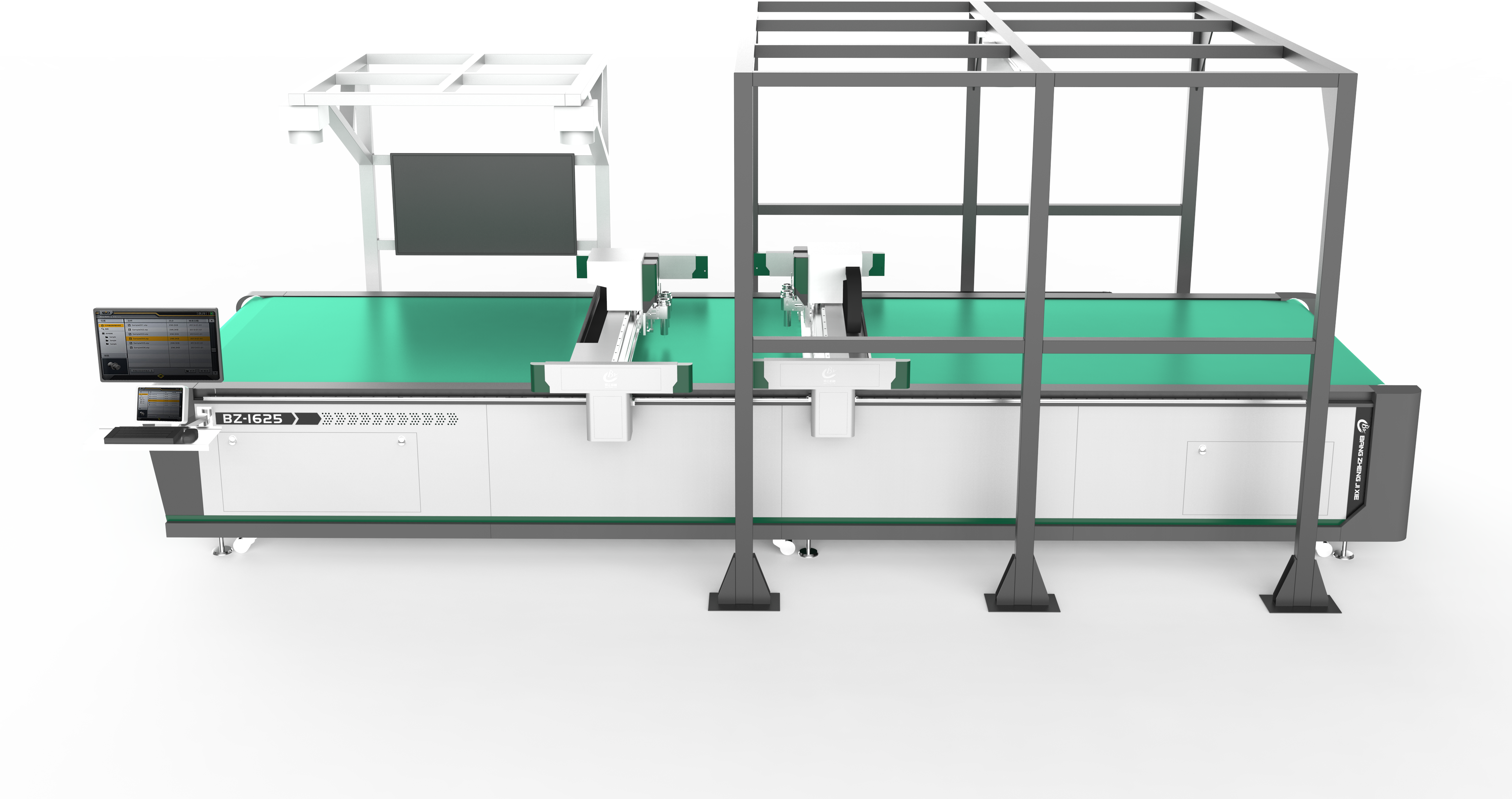
Leather manufacturers face a persistent challenge: maximizing the value extracted from expensive raw hides while minimizing waste and production errors. A genuine leather cutting machine equipped with advanced vision technology transforms this fundamental operational struggle into a strategic competitive advantage. The investment in such equipment directly impacts profitability by enabling precise, optimized cutting patterns that reduce material loss and accelerate throughput across the production line.
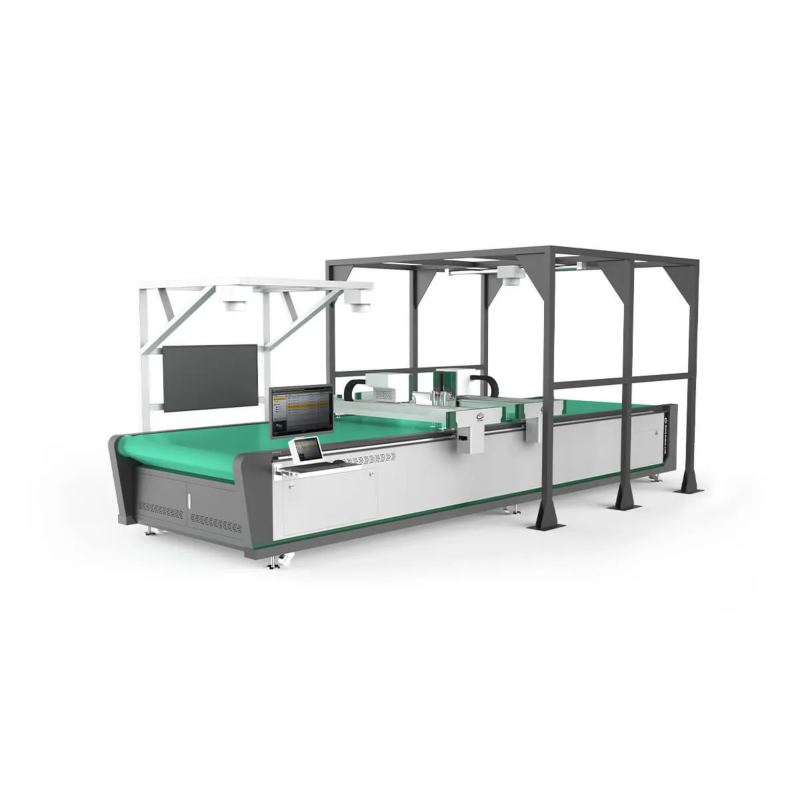
A genuine leather cutting machine with vision capability delivers measurable improvements in hide utilization that directly affect bottom-line results. By automating the pattern-layout process and using real-time visual inspection, manufacturers can reduce scrap rates by significant margins, recapture value from previously unusable sections, and ensure consistent quality across every cut. Understanding how a genuine leather cutting machine optimizes expensive hide processing is essential for any operation seeking to strengthen margins and maintain competitiveness in today's leather industry.
Vision-Guided Optimization for Leather Hide Cutting
How Vision Technology Reduces Waste in Leather Cutting
The primary value of a genuine leather cutting machine lies in its ability to see and adapt to the natural variations present in every hide. Leather contains defects, color variations, thickness inconsistencies, and surface blemishes that differ from hide to hide. A genuine leather cutting machine equipped with vision sensors and machine learning algorithms automatically identifies these defects during the material inspection phase. Rather than applying one rigid cutting template to every hide, the system maps defect locations and intelligently rotates or repositions cutting patterns to avoid problem areas, ensuring that every usable section of the hide becomes part of the final product.
This intelligent adaptation is impossible with conventional manual cutting or basic CNC systems. A genuine leather cutting machine with integrated vision adjusts its strategy in real time, evaluating leather thickness, surface condition, and blemish distribution as the material moves through the cutting head. The result is dramatically higher material utilization rates compared to traditional methods, where operators must often make conservative cutting decisions to avoid defects they cannot fully assess before the cut is made. By implementing automated defect detection, a genuine leather cutting machine essentially recovers value that would otherwise be discarded.
Multi-Layer Capability and Precision Stacking
Modern expensive leather operations require cutting multiple layers simultaneously to improve efficiency without sacrificing precision. A genuine leather cutting machine designed for multi-layer processing uses vision-guided positioning to ensure perfect alignment across all stacked materials. Vision sensors verify layer thickness, alignment tolerance, and surface conditions before initiating the cut, preventing the scenario where a defect in an upper layer causes misalignment or damage to valuable material below.
The precision achieved by a genuine leather cutting machine in multi-layer mode directly translates to hide utilization gains. When layers are perfectly aligned and defects are accounted for across the entire stack, the cutting patterns can be optimized as one unified layout rather than separate individual cuts. This holistic approach enables a genuine leather cutting machine to yield more usable parts per batch, reduce setup time between orders, and maintain tighter tolerances across all pieces in a multi-layer cut.
Automated Pattern Nesting and Layout Optimization
Intelligent Pattern Placement for Maximum Yield
One of the most significant advantages of a genuine leather cutting machine is its automated nesting capability. Traditional manual pattern layout relies on operator skill and experience, often resulting in suboptimal placement that leaves valuable scrap. A genuine leather cutting machine uses sophisticated algorithms to analyze the hide surface in real time and calculate the optimal arrangement of cut pieces to maximize material recovery. The system evaluates thousands of possible placements and selects the configuration that yields the highest number of usable parts while respecting quality thresholds.
This algorithmic approach to nesting means a genuine leather cutting machine continuously improves hide utilization across every production run. As the system processes more hides, it learns which pattern combinations and positioning strategies yield the best results for different hide grades and sizes. Over time, a genuine leather cutting machine becomes increasingly adept at extracting additional usable components from the same raw material, effectively increasing your material yield by several percentage points compared to manual methods or static CNC programs.
Real-Time Defect Mapping and Dynamic Adjustment
A genuine leather cutting machine with vision capability creates a detailed digital map of each hide before cutting begins. This map identifies not just obvious defects, but also subtle quality variations that affect the suitability of different hide sections for specific end products. The system knows which areas are best suited for premium components and which sections should be reserved for secondary applications or commercial-grade items. With this intelligence, a genuine leather cutting machine can route specific hide sections to the cutting patterns that will maximize their value.
This dynamic adjustment capability transforms how manufacturers approach hide stratification and product mix. Rather than assuming all usable material from a hide must go to the same end product, a genuine leather cutting machine evaluates each hide individually and directs its sections toward the applications where they will command the highest value. When expensive hides are the input material, this optimization approach directly increases the average revenue per hide processed through the system.
Operational Efficiency and Economic Impact of Precision Cutting
Reducing Labor Costs and Increasing Production Speed
A genuine leather cutting machine eliminates manual pattern layout, defect analysis, and cutting verification tasks that previously required skilled operators. Automation of these steps reduces labor requirements while simultaneously accelerating the production cycle. Where a human operator might spend 5 to 10 minutes assessing a hide, deciding on pattern placement, and making manual adjustments, a genuine leather cutting machine completes the same evaluation and cutting sequence in a fraction of that time. This speed advantage compounds across thousands of hides processed annually.
The productivity gains from a genuine leather cutting machine extend beyond just cutting speed. Setup time between different patterns, order changes, and material types is dramatically reduced. A genuine leather cutting machine can switch between cutting programs instantly and begins processing the new material immediately without the manual recalibration and verification steps that traditional equipment requires. For operations processing diverse orders and hide sizes, a genuine leather cutting machine represents a substantial competitive advantage in throughput and responsiveness.
Consistency and Quality Assurance Benefits
Precision and consistency are hallmarks of a genuine leather cutting machine equipped with vision systems. Every cut is executed with the same level of accuracy regardless of operator fatigue, shift changes, or material variations. This consistency directly improves the quality of finished components and reduces rework and scrap rates caused by cutting errors. When expensive hides are the input material, the ability to maintain cutting precision across 100% of production runs delivers substantial cost savings compared to manual operations where quality variance is inevitable.
A genuine leather cutting machine also provides detailed production records showing exact cutting patterns, defect locations, and yield data for every hide processed. This traceability supports quality assurance initiatives, enables root-cause analysis when defects occur, and creates a historical database that can be used to continuously optimize future cutting strategies. For manufacturers serving customers with strict quality specifications, the documentation and consistency provided by a genuine leather cutting machine becomes a key differentiator in the competitive market.
FAQ
What makes a genuine leather cutting machine different from standard CNC cutting equipment?
A genuine leather cutting machine specifically designed for leather incorporates vision sensors, material defect mapping, and algorithms optimized for natural material variations that standard CNC equipment cannot address. Standard industrial CNC systems assume consistent, uniform material properties and require manual defect avoidance. A genuine leather cutting machine accounts for leather's inherent variability, automatically detecting and mapping defects, then dynamically adjusting cut patterns to maximize yield from each unique hide. This leather-specific intelligence is what enables dramatically higher utilization rates and recovery of value that would be lost with conventional equipment.
How does vision technology in a leather cutting machine reduce material waste?
Vision sensors in a genuine leather cutting machine create a detailed visual map of each hide before cutting, identifying defects, color variations, thickness inconsistencies, and surface issues. Rather than applying one static cutting pattern to every hide, the system adjusts pattern placement and orientation to avoid or minimize defects while keeping usable material in the cutting area. By intelligently repositioning patterns based on real hide conditions, a genuine leather cutting machine ensures that premium sections are reserved for high-value products while secondary sections are directed to appropriate lower-grade applications, effectively recovering material that manual cutting would have discarded as waste.
Can a genuine leather cutting machine process multiple layers of leather simultaneously?
Yes, modern systems include multi-layer capability designed specifically for expensive leather operations. A genuine leather cutting machine with multi-layer functionality uses vision guidance to verify perfect alignment across all stacked materials before cutting begins, ensuring that defects or thickness variations in upper layers do not compromise material in lower layers. This precision multi-layer processing allows operators to stack hide sections and cut optimized nested patterns across the entire stack in a single operation, significantly improving efficiency and hide utilization compared to cutting layers individually.