cardboard cnc machine
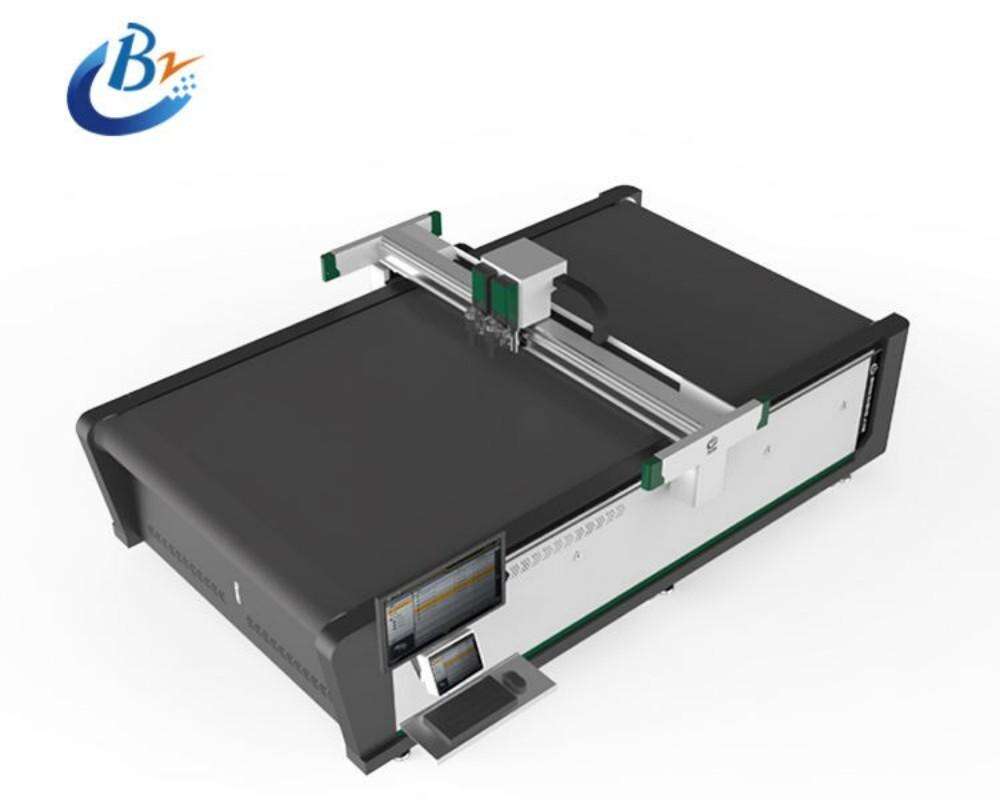
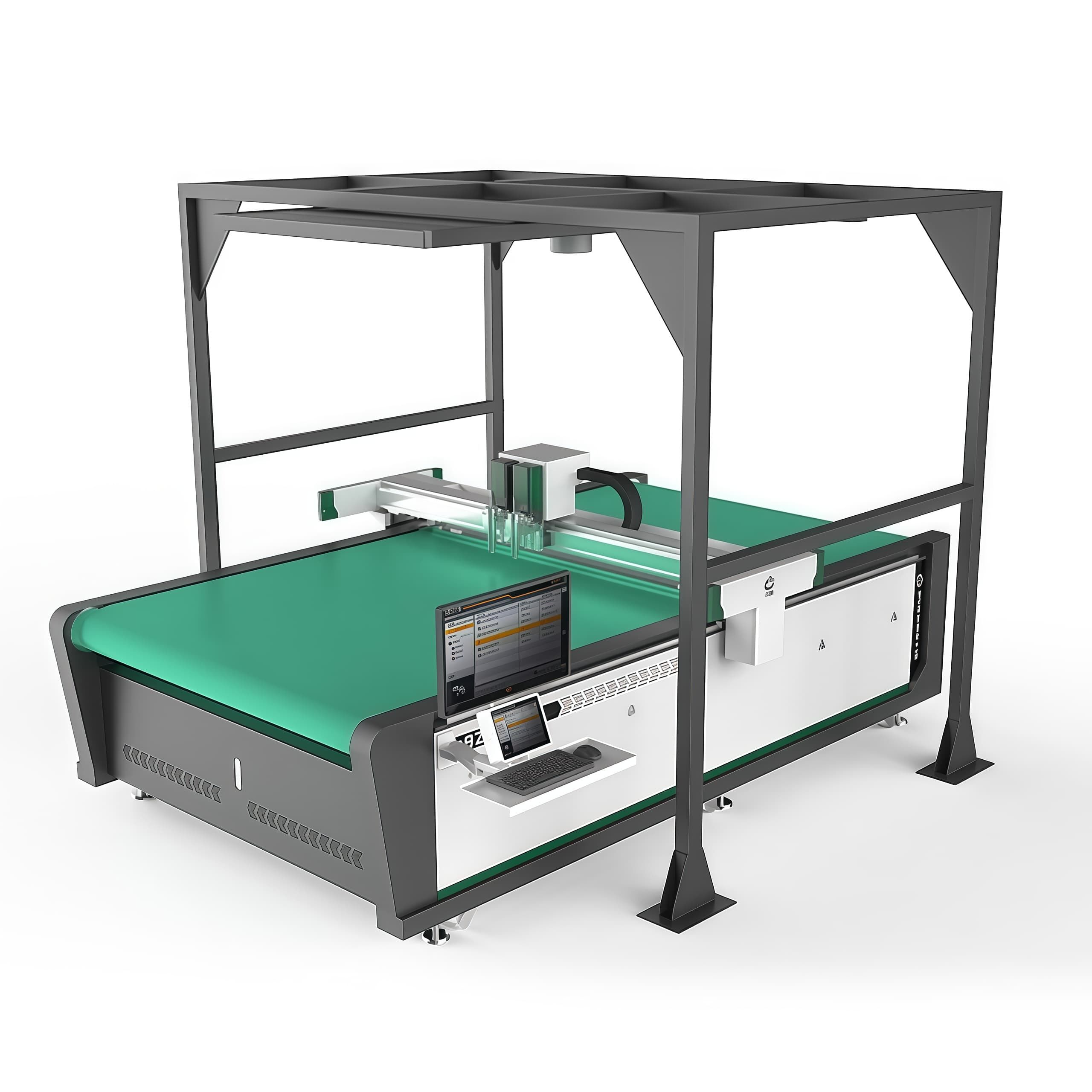
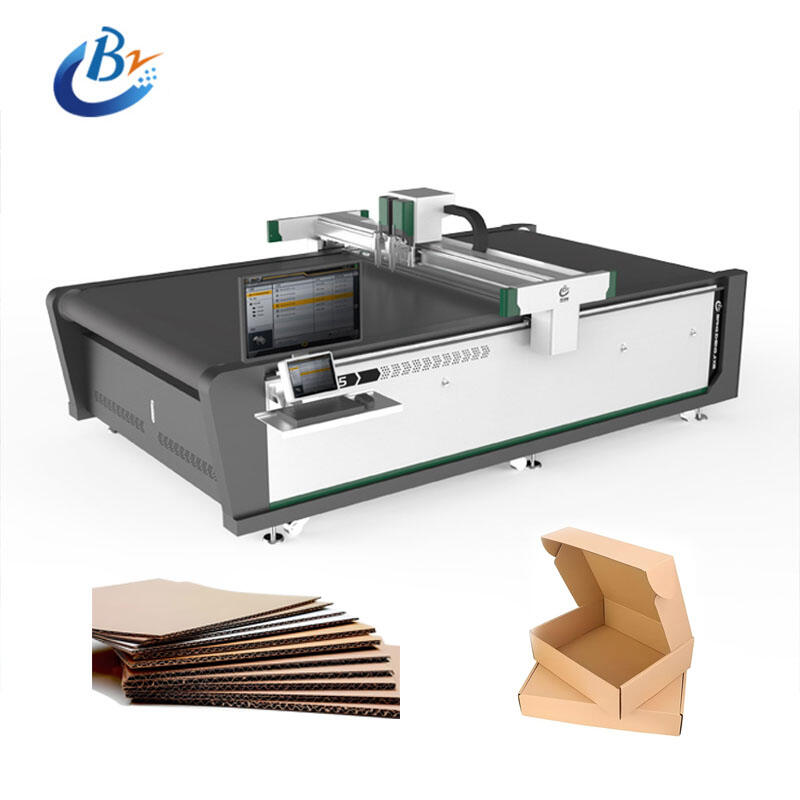
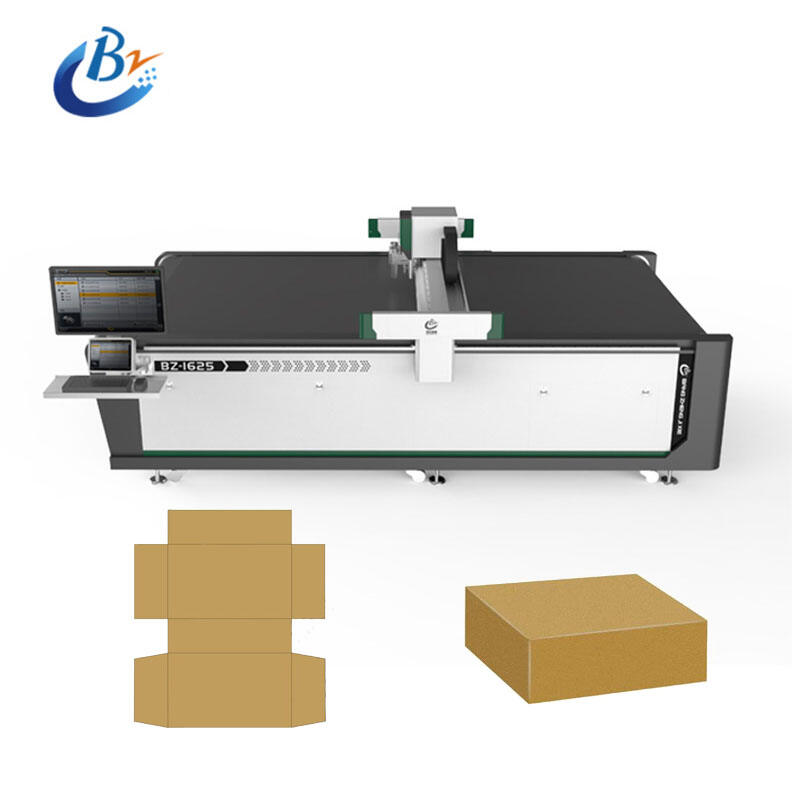
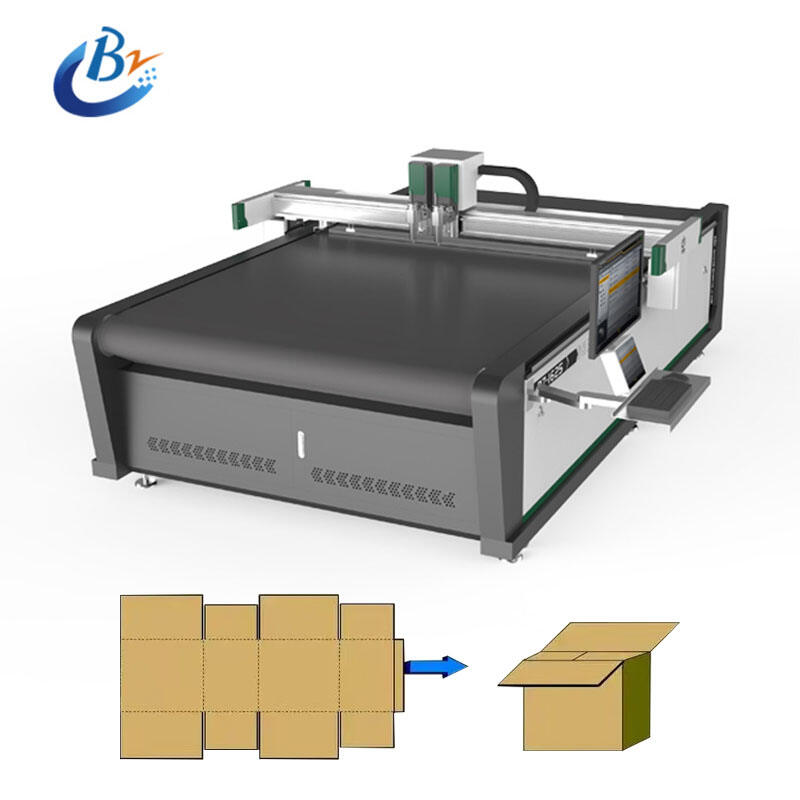
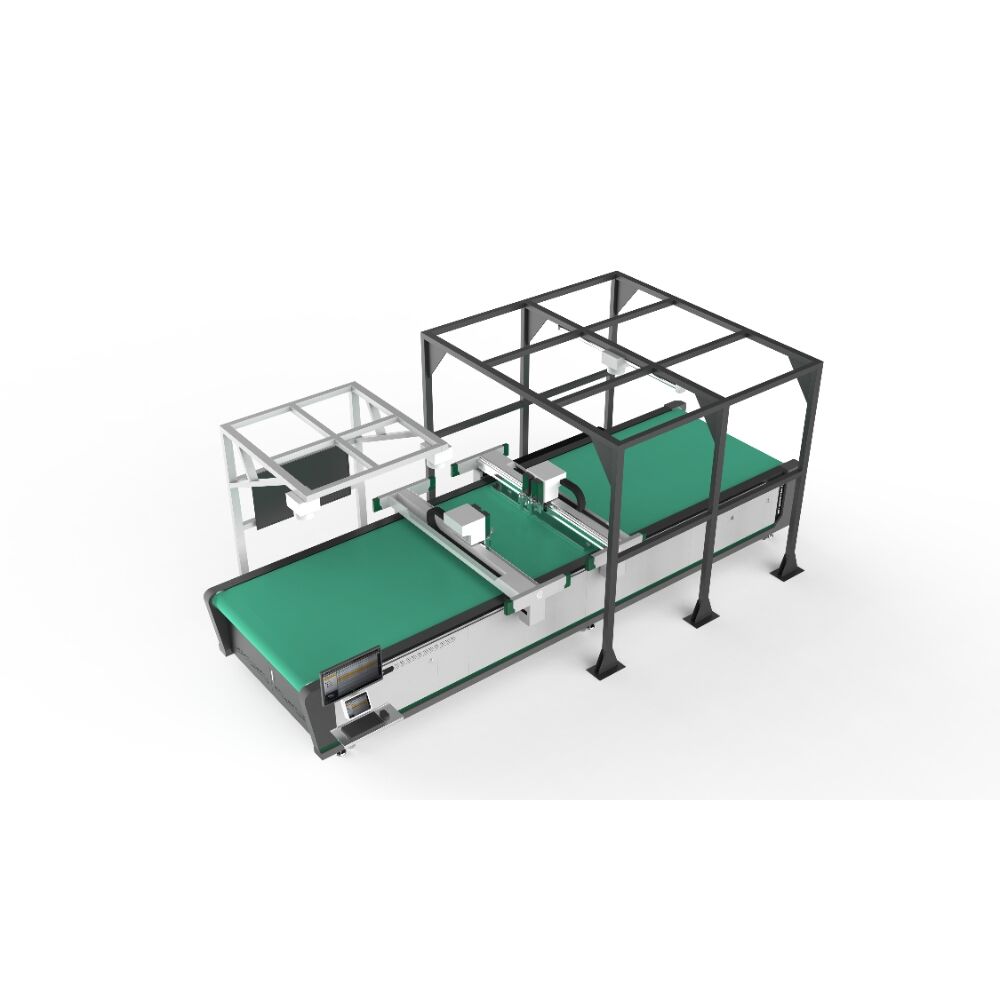
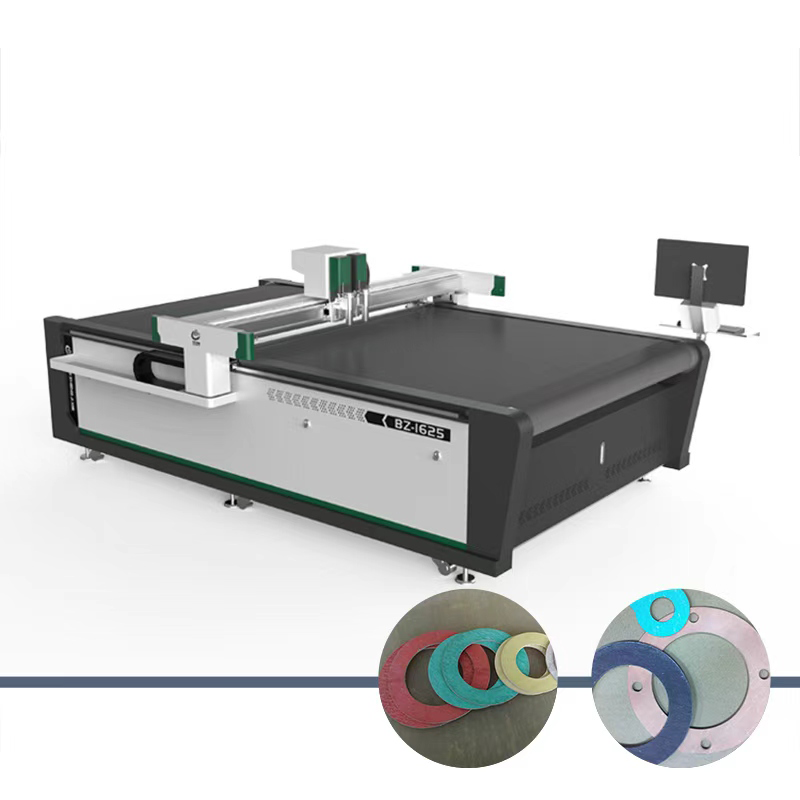
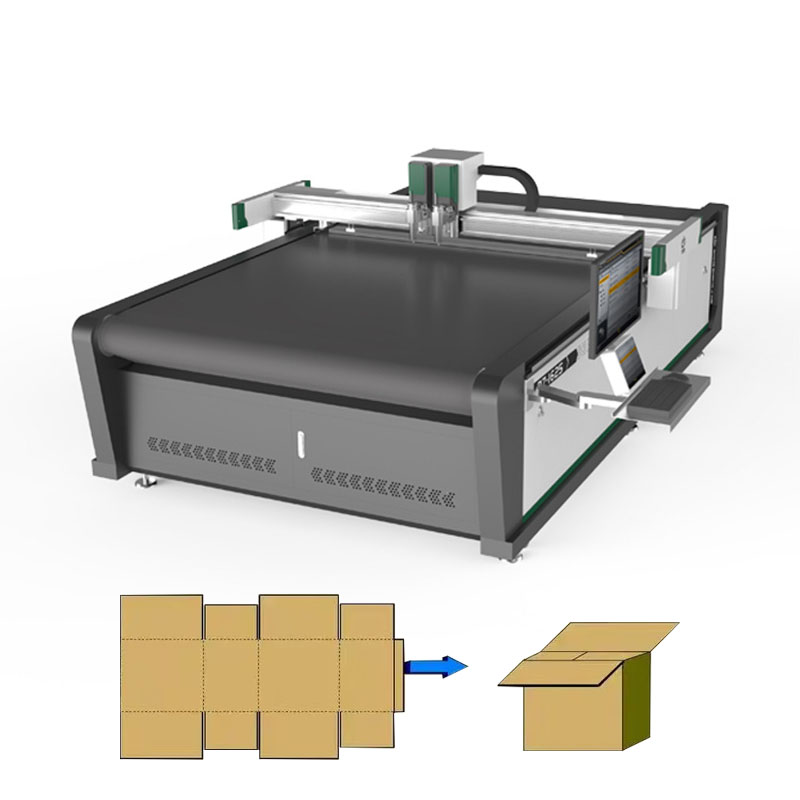
A cardboard CNC machine represents a revolutionary approach to precision cutting and shaping in the packaging and manufacturing industries. This specialized computer numerical control equipment transforms digital designs into precise cuts on cardboard materials, offering unparalleled accuracy and efficiency. The cardboard CNC machine operates through sophisticated software that interprets CAD files and translates them into precise cutting paths, ensuring consistent results across large production runs. The main functions of a cardboard CNC machine include cutting, scoring, creasing, and perforating various cardboard thicknesses. These machines excel at creating complex geometric shapes, intricate patterns, and detailed packaging designs that would be impossible to achieve with traditional cutting methods. The technological features of modern cardboard CNC machines incorporate advanced servo motors, high-resolution positioning systems, and intelligent tool management capabilities. Many units feature automatic tool changers that seamlessly switch between cutting blades, scoring wheels, and creasing tools without manual intervention. The control systems utilize user-friendly interfaces that allow operators to preview cuts, adjust parameters, and monitor production progress in real-time. Applications for cardboard CNC machines span numerous industries including packaging design, retail displays, educational models, architectural prototypes, and custom signage. Manufacturing facilities use these machines to produce corrugated boxes, point-of-purchase displays, and protective packaging inserts with remarkable precision. The cardboard CNC machine delivers exceptional versatility by handling materials ranging from thin paperboard to heavy corrugated cardboard up to several inches thick. Environmental consciousness drives many businesses toward cardboard solutions, making the cardboard CNC machine an essential tool for sustainable manufacturing practices. These machines support rapid prototyping workflows, allowing designers to quickly test concepts and iterate designs before committing to full production runs, significantly reducing development costs and time-to-market for new packaging solutions.

 EN
EN